
Curious about working as an Amazon delivery driver in 2026? For those considering jobs that mix independence, steady income, and active work, Amazon’s last-mile delivery roles can offer intriguing opportunities.
This guide is well-suited for people researching flexible side hustles, career changes, or simply seeking insight into what it takes and what you might earn.
Below, you'll find practical info on requirements, pay rates, the hiring process, and some everyday realities of the job—so you can fully picture whether this path fits your life and goals.
What Does an Amazon Delivery Driver Do?
Before diving into requirements and salary, perhaps it’s useful to clarify what’s expected in this role.
Amazon relies on thousands of local drivers—often working for third-party Delivery Service Partners (DSPs)—to deliver parcels to homes and businesses.
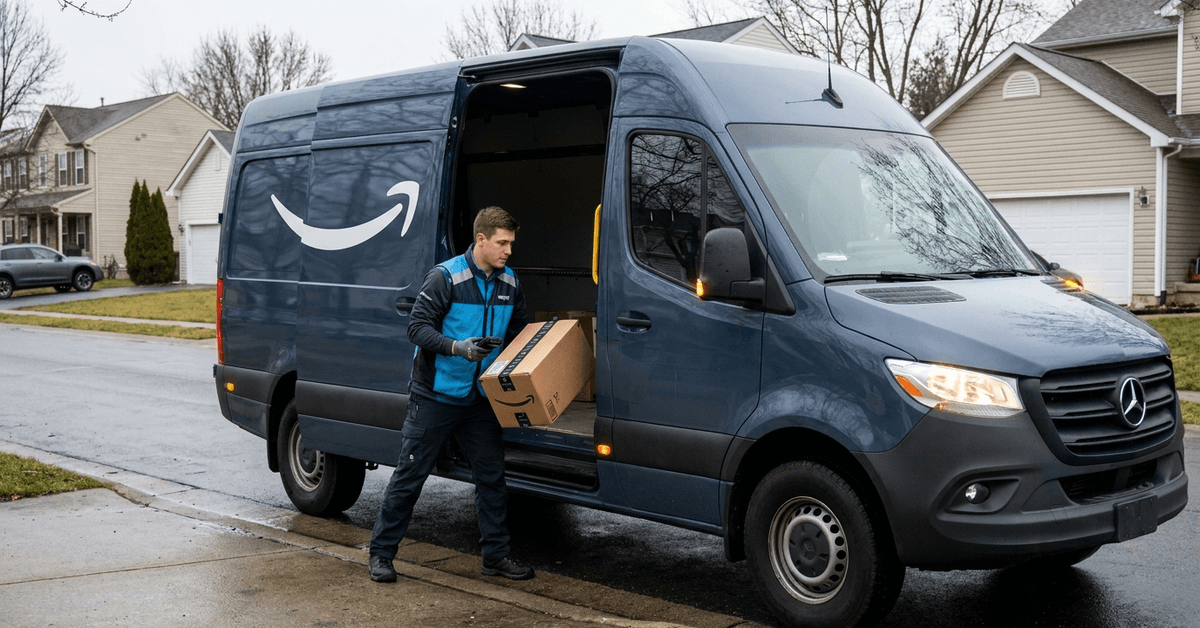
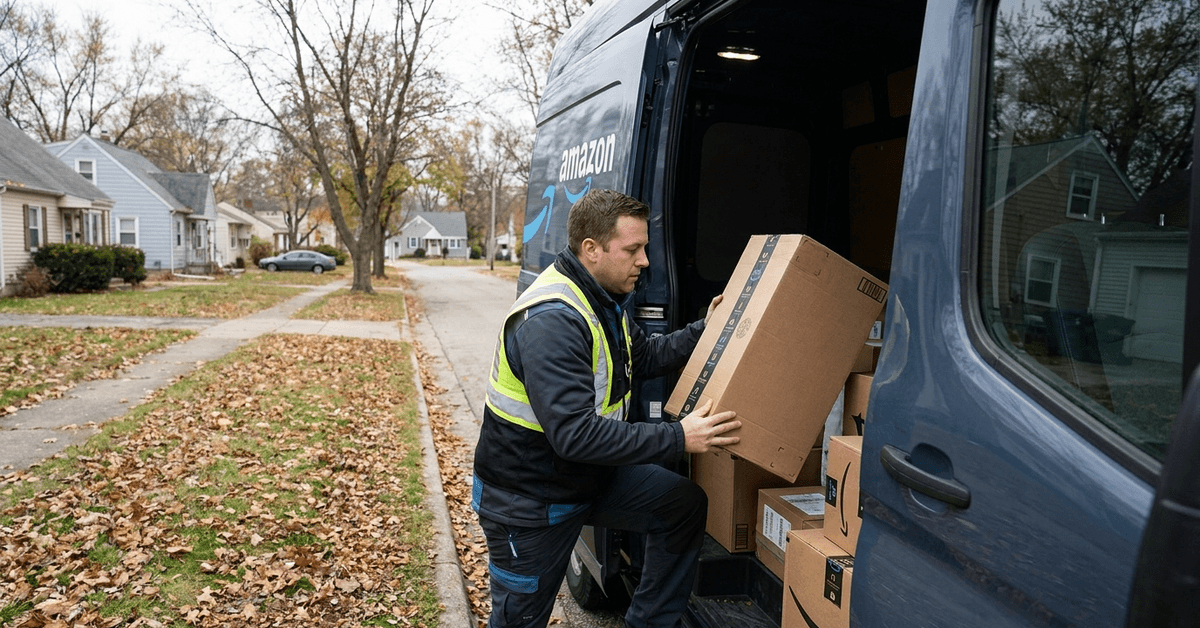
Routes are generally assigned each morning. The job involves driving an Amazon-branded van (usually provided), loading packages, and completing hundreds of stops per day.
Amazon Delivery Driver Requirements: Who Can Apply?
While many people believe you need specialized licenses or years of experience, the reality is a bit more accessible. Requirements differ slightly depending on location and partner company, but share several fundamentals:
- Valid standard driver’s license —usually, no commercial license required in most areas.
- Be at least 21 years old. (In the U.S.; other countries may set this differently.)
- Have a clean driving record—recent accidents or major violations might be disqualifying.
- Legally authorized to work where you apply.
- Ability to pass a background check and, sometimes, a drug test.
- Physical ability to handle repeated lifting, walking, and occasionally, climbing stairs.
Occasionally, there are additional expectations. For instance, strong communication skills help. You might face the weather—think rain, snow, or summer sun—since deliveries happen year-round.
Some applicants might feel hesitant before applying, perhaps worrying about the physical side, but training and support usually help newcomers adjust.
The Application and Training Process
Most Amazon delivery driver jobs aren’t hired directly by Amazon, but through regional DSPs. Application steps typically look like this:
- Online application—basic details and a quick screening questionnaire.
- Phone or video interview, often focused on availability, driving background, and customer approach.
- Background and driving record check—takes a few days to several weeks.
- In-person assessment or ride-along with a current driver (in some locations).
- Training, including safety, navigation tech, and package handling.
Training is paid, and ranges from a single day to one week, depending on the company and location. Some drivers—especially those new to delivery—mention that the learning curve can feel steep, but almost all say it levels off within the first month.
Amazon Delivery Driver Salary: What Do Drivers Earn?
Probably the biggest question: What’s the pay? It varies, but certain trends are clear.
Average Hourly Rates
In the U.S., recent data suggest an average starting pay of $18 to $21 per hour for entry-level drivers in most urban and suburban areas.
Some locations—especially with high living costs or driver shortages—report rates above $22/hour. Overtime rates apply after 40 hours per week.
How Pay is Structured?
Drivers are classified as employees (not independent contractors), so pay is typically hourly, with overtime and access to some benefits.
Weekly hours can range from full-time (40+) to part-time—DSPs have some flexibility here. It’s worth noting: shifts are often 8-10 hours, with set start and finish times that may include weekends or evenings.
Bonuses and Incentives
Some Delivery Service Partners offer performance bonuses —for safe driving records, on-time deliveries, or peak season attendance.
While these aren’t guaranteed, they’re a potential boost to take-home pay. Occasionally, seasonal hiring surges generate sign-on bonuses, but this is inconsistent.
Total Monthly or Yearly Pay
For context, a full-time Amazon driver working 40 hours/week at $19/hour would gross roughly $3,300/month, or about $39,600 per year—before taxes and deductions.
Of course, actual numbers depend on local wages, overtime, and shift pattern. Overtime hours in busy seasons can increase pay but also raise physical demands.
Day-to-Day Realities of the Job
Some days are smooth, some less so. Here’s what drivers frequently mention:
- Early starts —Dispatch usually begins between 7–9 AM.
- Physical activity —Expect 150–200 (or more) stops per day, with continual walking, stepping in/out of vans, carrying packages (sometimes up to 50 lbs).
- Using Amazon’s delivery app—guides your route, tracks stops, and sometimes requires photo proof of delivery.
- Dealing with traffic and weather—inevitable, sometimes frustrating. Some drivers love the autonomy, others cite it as stressful.
- Customer interactions—rarely problematic, but occasionally you’ll see a smile (or, honestly, a complaint).
The job can feel repetitive for some, routine for others, and—on tough weather days—even grueling. But there are also moments of surprise or satisfaction, like a thank you from a regular recipient or quietly admiring your record of deliveries.
Benefits and Drawbacks of Amazon Delivery Jobs
Potential Perks
- Steady, predictable paychecks.
- Health benefits for full-timers (depends on DSP/employer).
- No need to use your own vehicle or cover fuel/maintenance.
- Structured shifts allows some work-life planning.
Possible Downsides
- Physical demands—fatigue is real, especially in peak holiday seasons.
- Strict delivery quotas; performance tracking felt relentless to a few drivers.
- Occasional long days due to traffic or unexpected reroutes.
To be fair, reactions are mixed—some love the independent pace, others feel it’s intense. Many, though, treat it as a stepping stone—good experience and solid pay while pursuing broader goals.
Tips for Succeeding as an Amazon Delivery Driver
- Pacing yourself on busy days —Burnout is common for new hires pushing to keep up. Most drivers develop tricks to work smarter, not just faster.
- Staying organized —Sorting packages by stop order helps, as does learning your delivery area inside-out over time.
- Addressing any vehicle concerns early—Reporting maintenance issues quickly tends to make the day smoother (and safer).
- Staying hydrated and dressing for varied weather—It sounds simple, but it’s easily forgotten on hectic days.
Legal and Tax Considerations
Because most drivers are classified as employees (not gig workers or contractors), payroll taxes get withheld by the employer. That means no quarterly tax calculations, unlike some delivery app jobs.
Benefits eligibility depends on your status and your DSP’s policies. If you’re ever in doubt, discussing specifics with a recruiter or benefits coordinator helps.
Anyone with prior criminal history or driving violations may want to read up on eligibility or background check standards before applying. There’s room for ambiguity here—individual DSPs sometimes adopt stricter rules than Amazon itself.
Conclusion
An Amazon delivery driver job can be a practical option for people who want active work and steady hourly pay. The role offers structure, independence, and useful driving experience.
However, the physical demands, delivery targets, and weather conditions can make some shifts challenging. Before applying, compare local pay, schedule expectations, and DSP benefits to see if the job fits your goals.