
Looking for reliable employment in retail? Convenience stores like Mini Stop have become popular job options.
With their constant need for staff and wide network of branches, these stores provide accessible work, especially for those seeking flexible schedules or part-time roles.
This guide explores current job openings at Mini Stop and the application process—ideal for students, career starters, or anyone in between who wants practical insights before sending in an application.
Why Mini Stop Jobs Are Attractive to Job Seekers?
Mini Stop’s appeal is pretty easy to understand. Many people, especially those starting out, prefer positions with straightforward requirements and on-the-job learning.
For some, the retail environment may sound challenging, but working at Mini Stop could actually be an entry point for other careers. There’s a sense of reliability in retail jobs, even if the hours aren’t always regular.
Flexible Shifts and Work-Life Balance
One big advantage here is the mix of morning, afternoon, and evening shifts. For students or parents, being able to shape work hours around classes or family duties can be a deciding factor.
Not every job category offers this level of flexibility, and it’s something to consider if your schedule isn’t fixed.

Opportunities for Career Growth
While it might seem like a pure entry-level opportunity, plenty of Mini Stop workers move up. Shift supervisors, assistant store managers, and even store managers often start as crew.
This means anyone interested in long-term retail can consider working their way up without switching companies. It isn’t a guarantee, of course, but the chance exists for those who remain committed.
Developing Transferable Skills
Store jobs aren’t just about ringing up purchases. Mini Stop employees tend to pick up skills like customer service, inventory handling, basic accounting, and teamwork.
These are assets for any career path—inside or outside retail. It’s easy to overlook the broad set of abilities built in a frontline store role.
Types of Mini Stop Job Openings
Mini Stop’s hiring needs typically revolve around store operations but occasionally expand into support or administration. Knowing what’s available helps you decide if any role matches your background, interests, or personal strengths.
Frontline Roles (Store Crew)
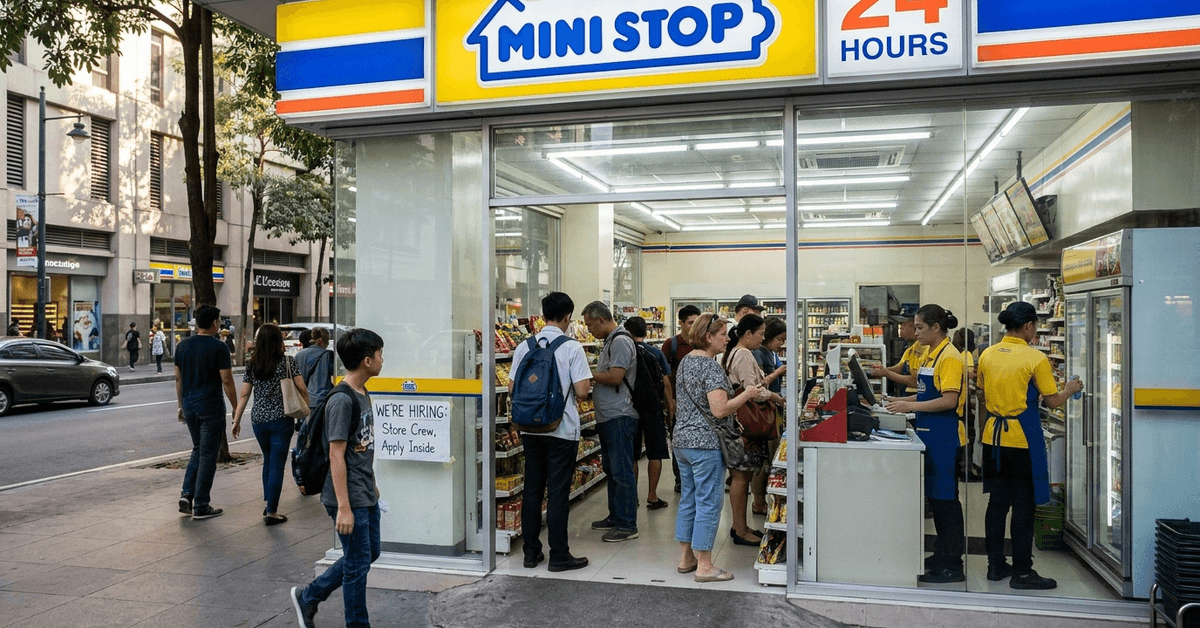
The Store Crew are the face of Mini Stop. They handle customer transactions, restock shelves, keep the store tidy, and sometimes prepare simple food or beverages.
It’s a physically active job, requiring basic numeracy and, admittedly, some stamina for busy times. Many applicants already have these skills or can easily learn them on the job.
Supervisory or Management Openings
These jobs involve more responsibility: cash handling, shift schedules, training new employees, and ensuring sales targets are met.
Mini Stop typically looks for applicants with some leadership experience, but sometimes promotes internally. If you’ve already worked in retail, these might be realistic options. If not, starting as crew is usually the first step.
Support and Head Office Roles
While rarer, jobs in areas like marketing, logistics, or accounting sometimes open up in Mini Stop’s central offices. These require specialized qualifications—usually a college degree or relevant diploma.
If a store environment feels overwhelming, support positions might suit you better, but opportunities aren’t as frequent as frontline hiring.
How to Find Mini Stop Job Openings
When you’re ready to search, there are a few reliable ways to spot genuine Mini Stop vacancies. It’s often worthwhile to use more than one method, since regional branches and management might handle hiring differently.
Official Mini Stop Careers Page
The company’s official careers website (look for links on the Mini Stop main page) is usually the safest spot. Here, listings are up to date and will highlight requirements, branch locations, and the specific steps to apply.
These pages are sometimes called “Join Us” or “Careers.” Don’t worry if navigation isn’t straightforward; career pages aren’t always linked from the main menu, so scanning the website’s footer may help.
Third-Party Job Portals
Platforms such as JobStreet, Indeed, Glassdoor, or LinkedIn might aggregate Mini Stop job posts. These let you filter by city, role, or even salary.
However, make sure listings are recent to avoid wasted effort applying for old posts. For maximum safety, double check whether the advert links you directly back to the official Mini Stop portal or HR email.
On-Site Store Inquiries
Sometimes, individual stores display hiring notices on windows or at counters. Walking into your local Mini Stop and simply asking about open positions is still common in retail.
Some managers accept resumés directly or will point out the best online application route. While traditional, there’s still value in face-to-face introductions, especially in smaller cities or towns.
Mini Stop Application Process – What to Expect
Getting hired at Mini Stop isn’t complicated, but knowing what’s ahead helps you prepare documents and feel more confident.
The stages are generally pretty straightforward, with some minor variations depending on location or management style.
Submitting Your Application
Most positions require you to submit a resumé and, sometimes, a simple application form. If they request a form, this can usually be downloaded from the careers page or obtained in-store. Double-check for requirements like a recent photo or copy of your ID.
Initial Screening
After you submit, HR or the store manager reviews your materials, usually within a week or two (though in busy seasons, it could take longer).
You might be contacted by phone or email for clarification or asked to attend an interview. If you don’t get a reply within two weeks, occasionally checking back demonstrates persistence—though, of course, it’s important not to overdo the follow-up.
The Interview Stage
Mini Stop interviews tend to be brief and fairly relaxed. You’ll likely talk about your availability, past experience, and why you want to work in the store. Honesty about your schedule and skills is often appreciated.
As for dress code, aiming for tidy and simple is enough. Interviews may be solo or with a group of applicants, depending on urgency and store size.
Job Offer and Onboarding
If selected, you may get a verbal or written job offer. Some branches require pre-employment medical exams or submission of documents like tax IDs or bank details.
Training is usually provided, whether through a short orientation or by shadowing more experienced staff for a few days. Don’t be surprised if the first few shifts are mostly observation—it’s normal to learn the specifics on the job.
Typical Requirements and Qualifications
While some specifics vary, the general qualifications for Mini Stop jobs remain consistent across branches. Knowing these upfront can help you assess your fit before applying.
- Minimum age (often 18+)
- At least high school graduate (some exceptions for part-time or student roles)
- Able to work varying shifts, including weekends and holidays
- Willingness to perform physical tasks (with breaks, of course)
- Strong communication and basic math skills
Previous experience in customer service or retail is rarely mandatory but is appreciated and may increase your odds—especially for supervisory roles. For head office positions, expect higher educational requirements and some relevant work background.
Tips to Increase Your Chances of Success
There’s no exact “formula” to guarantee you’re hired, but there are a handful of small steps that seem to help most applicants stand out.
Keeping applications concise, being honest about your schedule, and showing willingness to learn are things hiring managers often mention positively.
Prepare a Clear and Updated Resumé
Even for entry-level jobs, a well-organized resumé listing your education, extracurricular activities, and any previous work (even informal roles) can help. Keep it to a single page and include local contact details.
Demonstrate a Positive Attitude
Retail environments can be stressful at rush hour. Employers tend to value candidates who seem patient, respectful, and genuinely interested—even if they don’t have much experience yet.
Indicate Flexible Availability
Since shift coverage is a constant challenge, being open to working evenings or weekends could set your application apart. That said, don't over-promise on hours you genuinely can’t do—reliability is still most important.
Legal and Tax Considerations When Working at Mini Stop
Employment means certain legal and tax obligations, which might not always be crystal clear to first-timers. In regular retail jobs, Mini Stop is expected to comply with labor laws and minimum wage standards.
Pay structures and benefits should be discussed upfront; always ask if you’re unsure, since requirements can shift between regions.
Common Employment Benefits
Regular store staff might receive government-mandated benefits, such as social security or health insurance, after a probation period.
These basics provide a safety net. If you have questions on deductions or payslips, it’s usually okay to ask your supervisor directly or at HR orientation. There shouldn’t be hidden deductions—at least, none outside those mandated by law.
Tax Responsibilities for Mini Stop Employees
Wages are typically subject to withholding tax. Most companies, including Mini Stop, provide year-end tax forms so you can check with local tax authorities if further action is needed.
For first-time earners, staying organized with payslips and employment contracts helps come tax season.
Conclusion
Mini Stop job openings can be a practical choice for students, beginners, and job seekers who want flexible retail work. The application process is usually simple, especially for store crew roles.
Candidates who show reliability, good communication, and schedule flexibility may have a stronger chance of being hired. Before applying, review the duties, shift expectations, and benefits to make sure the job fits your needs.