
The Rakuten Credit Card has gained a firm foothold in Japan’s crowded financial landscape. For expats, students, and long-term residents, it offers a blend of convenience and unique perks—though sometimes, deciphering the actual value can feel tricky.
Maybe you’ve seen friends flash theirs, or perhaps you’re just wondering whether it makes everyday living a bit smoother, especially if you’re new to the Japanese credit system.
This guide dives into everything worth knowing about the Rakuten Credit Card: how it works, its pros and cons, subtle application tips, and small insights you might not find elsewhere.
Whether you want to maximize cashless shopping or simply manage your monthly expenses, this educational resource aims to keep things practical and jargon-free—no sales pitch, just clear facts and real experiences.
What Sets the Rakuten Credit Card Apart in Japan?
The credit card market in Japan isn’t short on choices. Still, Rakuten’s card stands out, mainly thanks to its integration with the Rakuten Ecosystem and ease of use for both Japanese citizens and international residents.
There’s no perfect card for everyone—but a few features have made this card especially popular in recent years.
Ease of Application, Even for Non-Japanese Residents
Navigating the application process can be a barrier, especially with credit check hurdles and language barriers. Rakuten, perhaps more than most, has taken steps to simplify this.
The online application is available in Japanese and sometimes partially in English, with a reputation for relatively fair screening.
Annual Fee and Welcome Bonus
Most versions of the Rakuten Credit Card don’t carry an annual fee—a rarity for a points card in Japan. Additionally, new cardholders might receive a limited-time point bonus after their first eligible purchase, helping offset any initial doubts about usability.
Broad Acceptance and Digital Integration
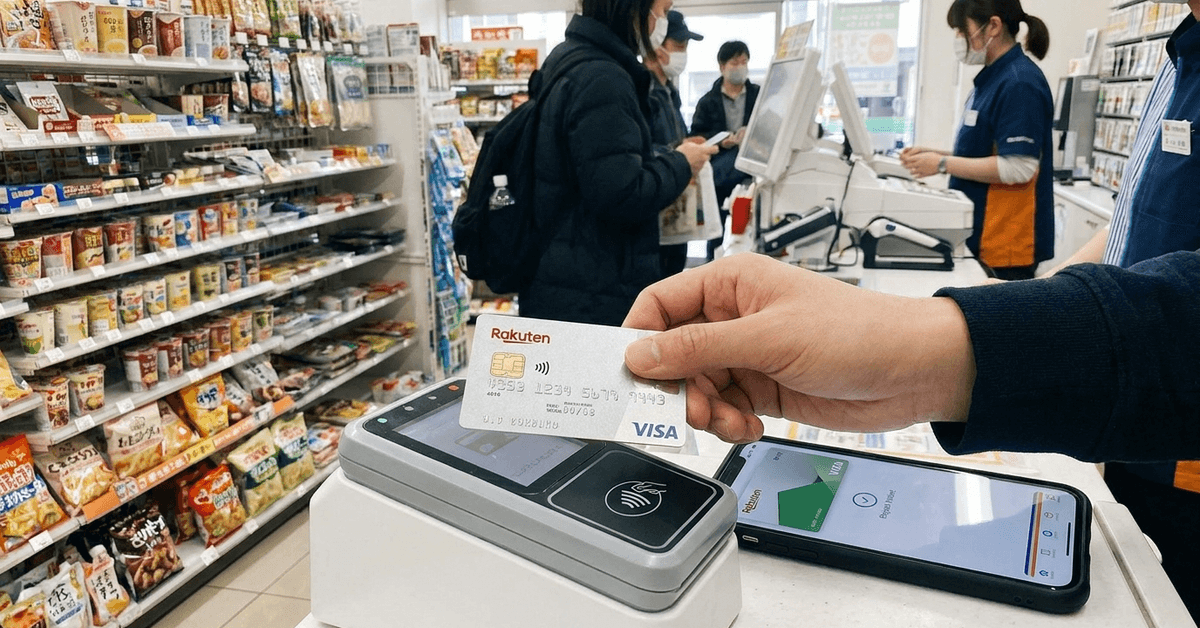
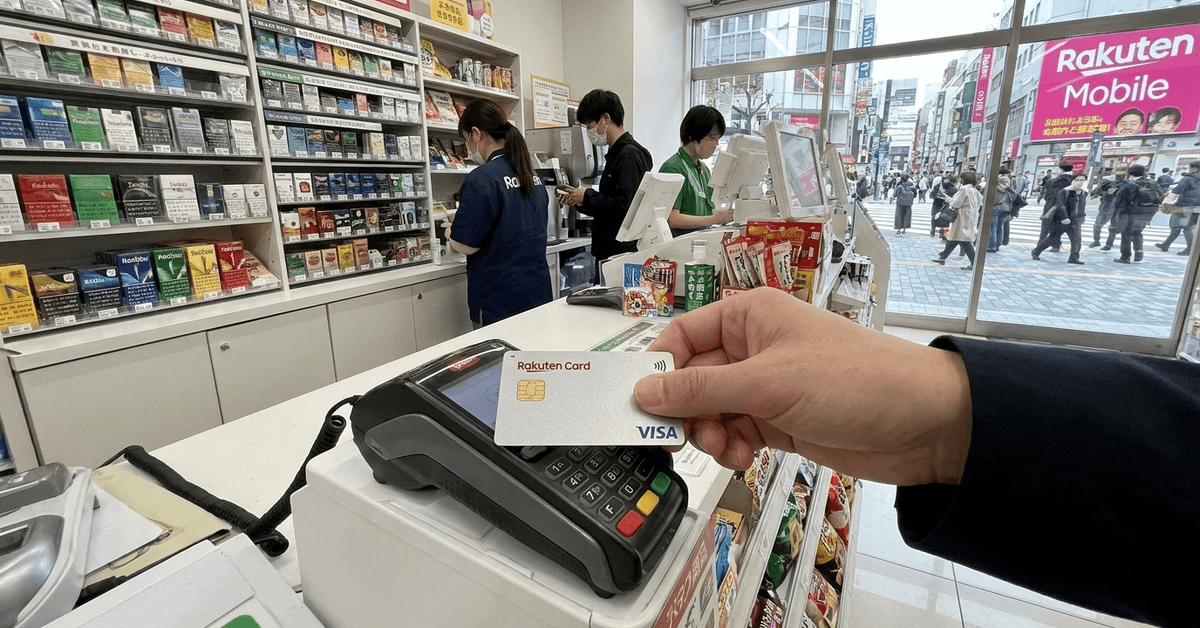
Visa, Mastercard, and JCB versions mean it works at nearly every store or online retailer in Japan. The card also integrates with mobile wallets like Apple Pay and Google Pay, making tap-to-pay relatively smooth. ]
Integration with the Rakuten Pay app bridges cashless payments across Japanese stores, from family restaurants to convenience stores.
Understanding Rakuten Super Points
At the heart of the Rakuten Credit Card is its rewards program: Rakuten Super Points. This is a loyalty scheme that offers points on pretty much every purchase—but the value, and the best way to redeem, deserves some nuanced consideration.
Point Accrual Rates and Multipliers
Cardholders generally earn 1% back in points on eligible purchases. But, transactions within the Rakuten ecosystem, such as Rakuten Ichiba (Rakuten’s main marketplace), may yield several times that thanks to seasonal campaigns and “point up” multipliers.
Occasional stacking can boost this, but it’s important not to rely on short-term spikes as your baseline earning rate.
Where Points Can Be Spent
Most commonly, points are spent directly at Rakuten Ichiba or within affiliated services (like Rakuten Travel).
Yet, the scope is actually wider: select convenience stores, some supermarkets, and partnered retailers let you pay in-store by simply declaring “point settlement.”
Not every store participates, so it helps to check before assuming points are as versatile as cash.
Expiration Dates and Limitations
Points do expire, typically after a year. Some bonus points, like those from new card campaigns, expire even sooner. It’s not uncommon to forget small balances, which I think is a minor downside if you're not paying attention.
Types of Rakuten Credit Cards Available
Rakuten offers more than one version of their card. While the standard edition gets most of the attention, there are Gold and Premium options, each with their own quirks and extras.
Standard Rakuten Card
No annual fee, basic points rewards, and generally the easiest approval odds. For most users—especially those spending under a certain threshold—this strikes a good balance of benefits to cost.
Rakuten Gold Card
This option brings extra airport lounge access in Japan and increments the point multiplier when shopping on Rakuten Ichiba. The annual fee is modest but only offsets if you use the travel or shopping perks regularly.
Rakuten Premium Card
Targeted more at frequent travelers, with global lounge access and higher point multipliers across more categories. The annual fee here is substantial, so unless you fly or shop frequently, the standard or Gold may be more practical.
Application Insights and Eligibility Details
Applying for a credit card in Japan can feel daunting, particularly for those without a long credit history or fluent Japanese. Rakuten has a reputation for accessibility, though nothing is guaranteed.
Basic Requirements
- A Japanese address
- Valid ID (resident card and zairyu status for foreigners)
- Stable income is suggested, but some students and part-timers are approved
Approval Odds and Common Stumbling Blocks
Sometimes, even strong applicants face rejections with little explanation—credit scoring in Japan remains somewhat opaque.
Possible issues: newly-opened bank accounts, frequent address changes, or inconsistent work records. People who apply repeatedly in a short window, I’ve heard, risk lowering their score.
Can Non-Japanese Residents Qualify?
Anecdotally, yes. International residents are regularly approved, assuming they meet the basics above. Some note success only after living in Japan for 12 months or more, but this isn’t a written rule. Patience and complete documentation help.
What to Expect After Applying
Most applicants get a reply in a few business days. The card, if approved, often arrives in under a week. It comes with a starter guide, but the fine print is mostly in Japanese.
Rakuten’s customer service does offer some English chat support, but complex issues might still require Japanese skills or third-party help.
Tips for Using the Rakuten Card Wisely
Japanese credit cards aren’t used quite the same as Western alternatives. Avoiding missteps is easier with a few practical habits, drawn from regular users’ experiences.
Stay on Top of Payment Due Dates
Late payments lead to penalties and impact your credit score. Setting up automatic deductions, especially from your Japanese bank, is the popular choice.
Occasionally, online banking sites might be confusing, so double-checking your deductions can prevent mishaps.
Understanding Monthly Statements
Statements are mostly digital, which makes management a bit simpler for some. But the document is in Japanese, and categories like “revolving payments” (リボ払い) can catch new users off-guard. If in doubt, it’s safer to stick with lump-sum repayments to avoid unintended interest charges.
Integrating with Rakuten Ecosystem
If you use Rakuten Ichiba, Rakuten Bank, or Rakuten Mobile, syncing the card with these accounts unlocks greater rewards. But spreading spending across too many platforms may dilute the benefit.
Managing Overseas Usage
The Rakuten Card works abroad, but foreign transaction fees apply. For travelers, checking those rates beforehand can help you avoid surprises.
JCB cards have notably spotty acceptance outside Japan, while Visa or Mastercard versions are more internationally friendly.
Potential Drawbacks and Things to Watch For
No card is perfect. While the Rakuten Credit Card is popular, a few limitations show up repeatedly in user accounts and forums.
Language Barriers
Most customer service is Japanese-first, even if some digital functions offer English support. For anything complicated, having a friend or using translation apps can be a relief.
Complicated Bonus Campaigns
While tempting, Rakuten’s rotating bonus and “Super Sale” events have many conditions. Missing a checkbox or mistiming a purchase can lead to disappointment. Reading the fine print, or sticking to regular purchases, is simpler and more reliable.
Point Expiry and Redemption Limits
As mentioned, points eventually expire and may not be usable everywhere. Tracking expiry dates within your Rakuten account dashboard is straightforward, though easy to forget if you use points sparingly.
Alternatives and How to Choose the Right Credit Card in Japan
Rakuten’s card is popular, but Japan offers various alternatives worth considering. Some cards appeal more to international travelers, high earners, or those wanting cashback rather than points.
Popular Alternatives
- EPOS Card – Often cited by expats for broad approval rates
- ANA and JAL mileage cards – Best for frequent flyers
- Seven Card Plus – Great for Ito-Yokado and 7-Eleven loyalists
- Orico Card – Flexible with various rewards setups
Key Considerations Before Deciding
- Annual fees vs. benefits
- Ease of application for foreigners
- Rewards structure (points vs. cashback or miles)
- Customer support needs (Japanese vs. English availability)
Legal and Tax Considerations
Credit usage in Japan comes with a few must-knows when it comes to privacy, legal, and tax matters. Mistakes here can complicate everyday financial life.
Personal Information Security
Japan has stringent data privacy laws. Rakuten reasonably protects user data, but it’s sensible to avoid public Wi-Fi when accessing card details.
Tax Reporting on Points or Cashback
For most consumers, credit card points aren’t taxable. However, business users may need to report point income if used for business expenses; tax professionals or local tax office (Zeimusho) can clarify the specifics.
Lost or Stolen Card Policies
Reporting lost cards quickly is crucial. Rakuten’s hotline prioritizes Japanese, but there are basic English prompts. Prompt action often prevents fraudulent charges.
Conclusion
The Rakuten Credit Card can be a useful option for residents in Japan who want simple payments and steady rewards. Its strongest value comes from regular use within the Rakuten ecosystem.
However, users should watch for point expiry, campaign conditions, and possible language barriers. Before applying, compare card types, fees, and repayment rules to choose the best fit.